Wednesday, September 28, 2011
Conflict Between Jews and Muslim
2. The causes of the conflict between Jews and Arabs have many causes. The biggest reason why they are fighting is because they each want to control Jerusalem. The Jews want it because it contains the Dome of the Rock were Abraham sacrificed his son Issac. It is their holy city, and only true capital. Muslims want it because its where Mohammad ascended, in the Dome of the Rock. The conflict hasn't just started over night it's been going on for centuries, but wars against it that have been greatly recorded and are close by are the 1948, 1956, 1967, and 1973. King Soloman built a temple that was destroyed, rebuilt, then destroyed, he was on the Jews side. I think that Jerusalem should be handed over completely to the Jews. I have many reasons mainly is that they have history there like over 3,300 years and it's the only place that they can control. Arabs already have so much land, and their capital of Mecca. They just want it for political reasons, they don't really care about the history of the place. I bet that if they did have control over it they would order all the Jewish holy sites to be destroyed, not caring about the history or significance. Arabs have attacked Israel at least 4 times and Israel has won, they have been nice enough to not keep land from the war, so the Arabs should repay them by giving the Jews just this one city, where they can pray in peace. Of course Muslims can still go to their holy places as long as they don't disrupt anything. But if they do come then they shouldn't be able to hold any political positions. This is just my thoughts anyways, probably I'm wrong in some of my thoughts or inferences but they all make sense.

Monday, September 26, 2011
Global Connections
The Country of Yemen
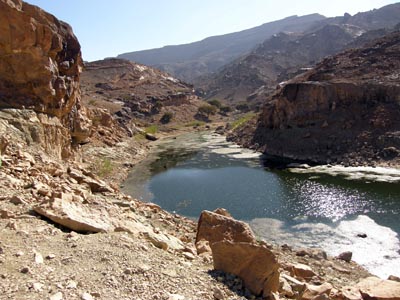
1. Describe the country’s physical geography (terrain). Provide pictures, if available.
It is a narrow plain with trapezoid topped hills, it has rough mountains, the desert upland plains are split in half. It is part of the Arabian Peninsula where it is all desert. It has an area of 527, 968 sq km.

http://images.huffingtonpost.com/2010-01-10-YemeniterrainidealfortourismandterrorismAbuFadil.jpg
2. What is the climate? Note: Climate can range across regions.
The climate is desert climate, it is hot and humid near the west coast. In the western mountains they experience seasonal monsoons, and in the east it is really hot, dry and harsh.
3. Does this country have a fresh water supply?
It does have a fresh water supply but it is limited, and they don’t have very good ways of transporting water. It has access to a seaport because it is on the Arabian Peninsula. It controls its water source but the sources is limited. The source of water are rivers, and ocean through the process of desalination.
4. What industries does the country support?
The country supports crude oil productions, petroleum refining, cotton textiles, leather goods, food processing, handicrafts, cement, commercial ship repair and natural gas production. The GDP composition by sector for industry is 39%.
5. What international issues is the country currently facing?
The international issues Yemen is facing is that Saudi Arabia has concrete-filled security barriers to discourage illegal border activities. It has refugees from countries mostly Somalia. More international issues is that people trafficking, for sex and labor.
The Country of Yemen
1. Describe the country’s physical geography (terrain). Provide pictures, if available.
It is a narrow plain with trapezoid topped hills, it has rough mountains, the desert upland plains are split in half. It is part of the Arabian Peninsula where it is all desert. It has an area of 527, 968 sq km.
http://images.huffingtonpost.com/2010-01-10-YemeniterrainidealfortourismandterrorismAbuFadil.jpg
2. What is the climate? Note: Climate can range across regions.
The climate is desert climate, it is hot and humid near the west coast. In the western mountains they experience seasonal monsoons, and in the east it is really hot, dry and harsh.
3. Does this country have a fresh water supply?
It does have a fresh water supply but it is limited, and they don’t have very good ways of transporting water. It has access to a seaport because it is on the Arabian Peninsula. It controls its water source but the sources is limited. The source of water are rivers, and ocean through the process of desalination.
4. What industries does the country support?
The country supports crude oil productions, petroleum refining, cotton textiles, leather goods, food processing, handicrafts, cement, commercial ship repair and natural gas production. The GDP composition by sector for industry is 39%.
5. What international issues is the country currently facing?
The international issues Yemen is facing is that Saudi Arabia has concrete-filled security barriers to discourage illegal border activities. It has refugees from countries mostly Somalia. More international issues is that people trafficking, for sex and labor.
What role have natural resources played in the politics and economy of the Middle East?
Water plays a big role in economy because if one country builds a damn upstream of a river another country get less water then before. This causes disputes and arguments about property. Their vast reserves of oil interest many country, mostly European countries and the United States. They divide the land up that's not theirs, to satisfy their growing need for oil. The price of oil has increased causing the cost of land to drill to increase, while western countries pay more for the oil, the Middle East profits more from the oil. Water is only abundant in a few Middle East countries, and most of them rely on other countries to get their water.
Subscribe to:
Posts (Atom)